Back to top: The deep fringe style
General characteristics
two subdivisions
Back to top: The deep fringe style
Garments
The Deep Fringe Style is characterized primarily by the distinctive treatment of garments, in which fringes and pleats are rendered as deeply incised linear elements, typically positioned along the central axis or the edges of the garment.
The physiognomy of the figures is highly standardized: feet have triangular ankles (eg A6c1), long garments usually covering only one shoulder (e. g. AKc102), large oval heads, prominent oval eyes often marked by dotted pupils, triangular noses, pointed chins, and full lips. In contrast to the Dotted Eye Style, the facial features are not conflated; rather, the eyes remain distinct from the nose and mouth. The legs and feet of the standing figures are rendered with relative anatomical realism except for the ankles.
A notable compositional feature is the even and measured spacing of figures, producing a balanced and orderly visual field.
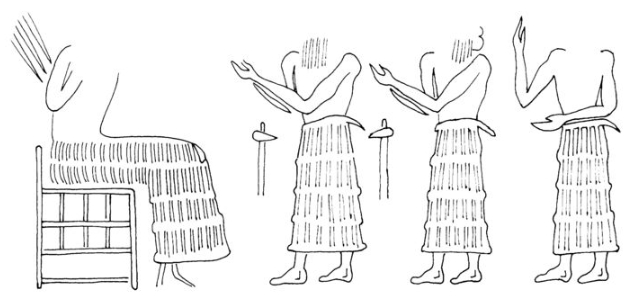
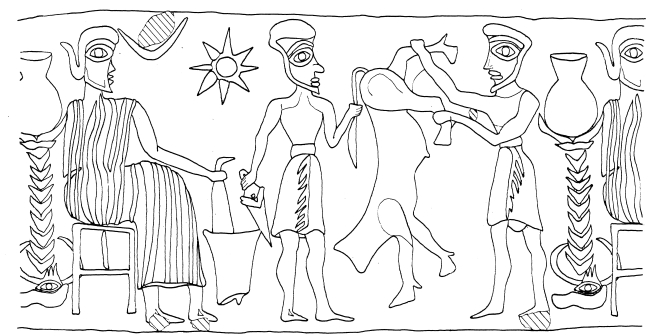
Pleated textiles are the place where this stylistic trait apepars most clearly. as For example ,in AKc102, AKc103, A6c1 and A7.327 the skirts are articulated through deeply cut grooves that emphasize the thickness and materiality of the fabric.
In A15.270, priests wear short skirts with pronounced fringe decoration, while a seated female figure is depicted in a long pleated garment.
A9c1 shows the bulbous end of the rows of the pleats for the standing figures (and some of the seated figure).
In contrast to Early Dynastic III seal impressions from Mozan, which often feature densely packed compositions, Akkadian-period designs in the Deep Fringe Style exhibit a measured and evenly distributed arrangement of figures. This compositional clarity produces an effect that may be described as “classical,” characterized by balance, dignity, and visual coherence – qualities particularly appropriate to royal imagery.
|
|
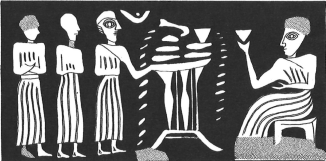 AKc102
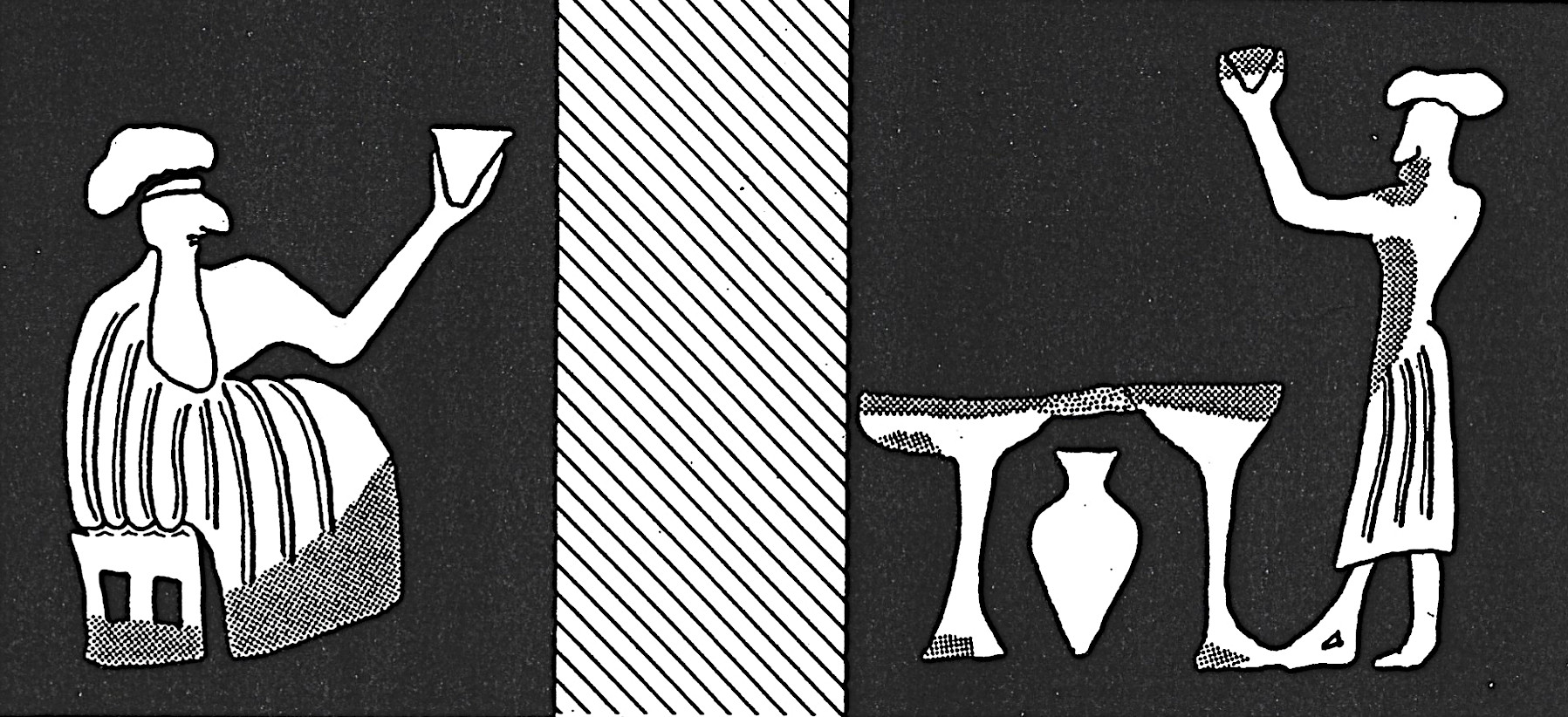 AKc103
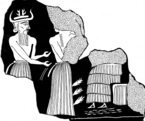 A6c1
A6c1
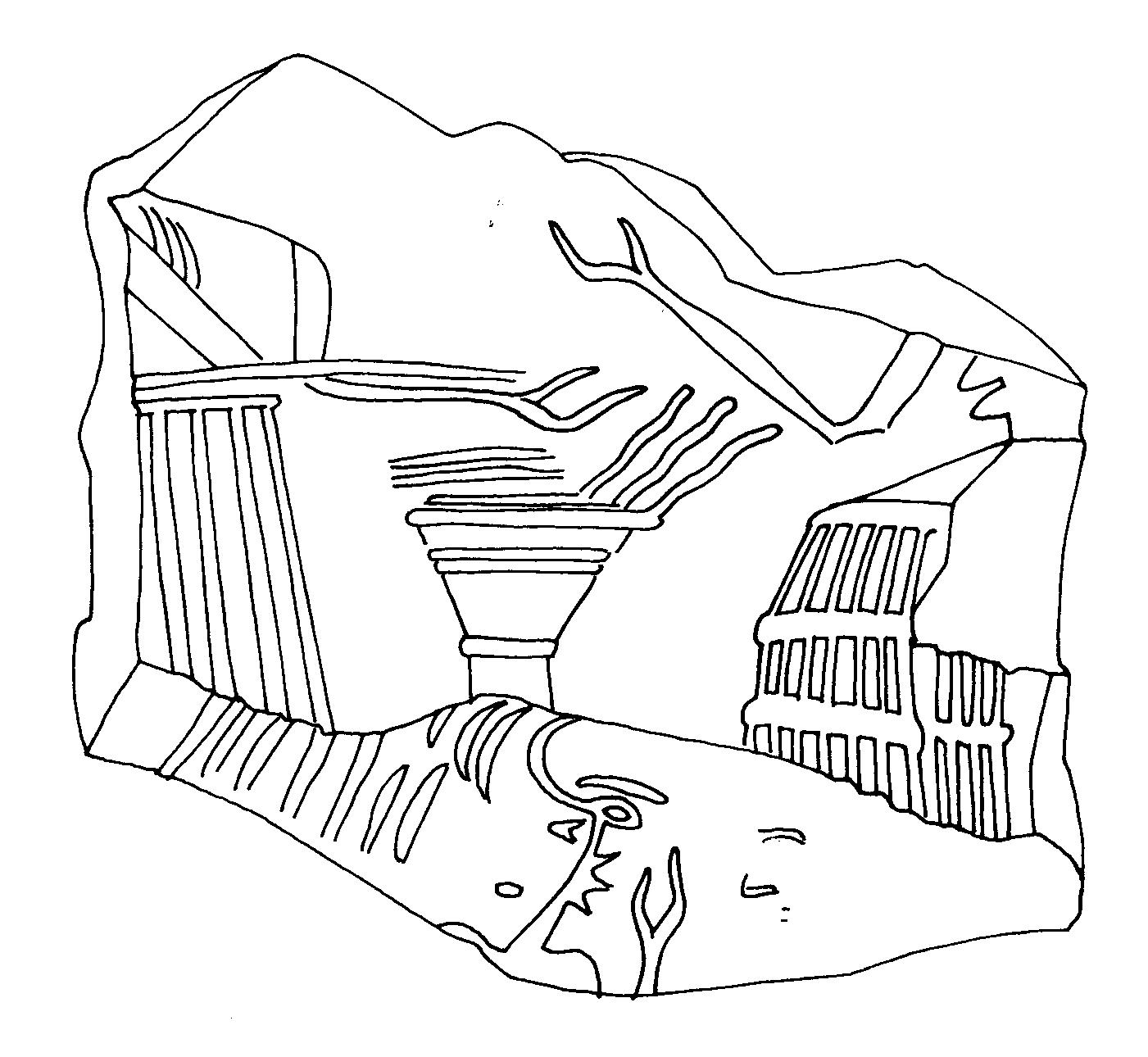 A7.327
 A9c1
A9c1
 A15.270
|
Back to top: The deep fringe style
Animal representations are relatively infrequent within this style; however, when present, both animal and human bodies are rendered with a degree of naturalism.
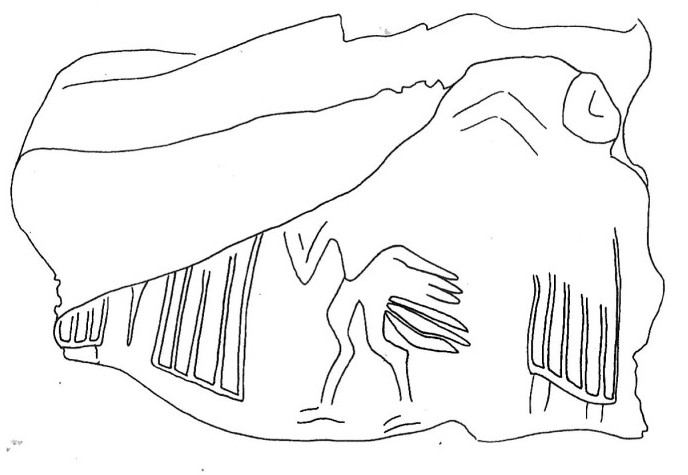
In a scene with a birdman (A1.325) there are two unclear figures flanking the birdman. Both are wearing pleated garments and one has an arm raised in the direction of the birdman. Characteristic of this style is the position of the birdman in an empty field as well as the patterning of his tail. While the entire composition is not clear, the placement of the figures in the composition and the carving of the wings of the bird man and the garments of the other two figures are clearly in this style
|
|  A1.325
|
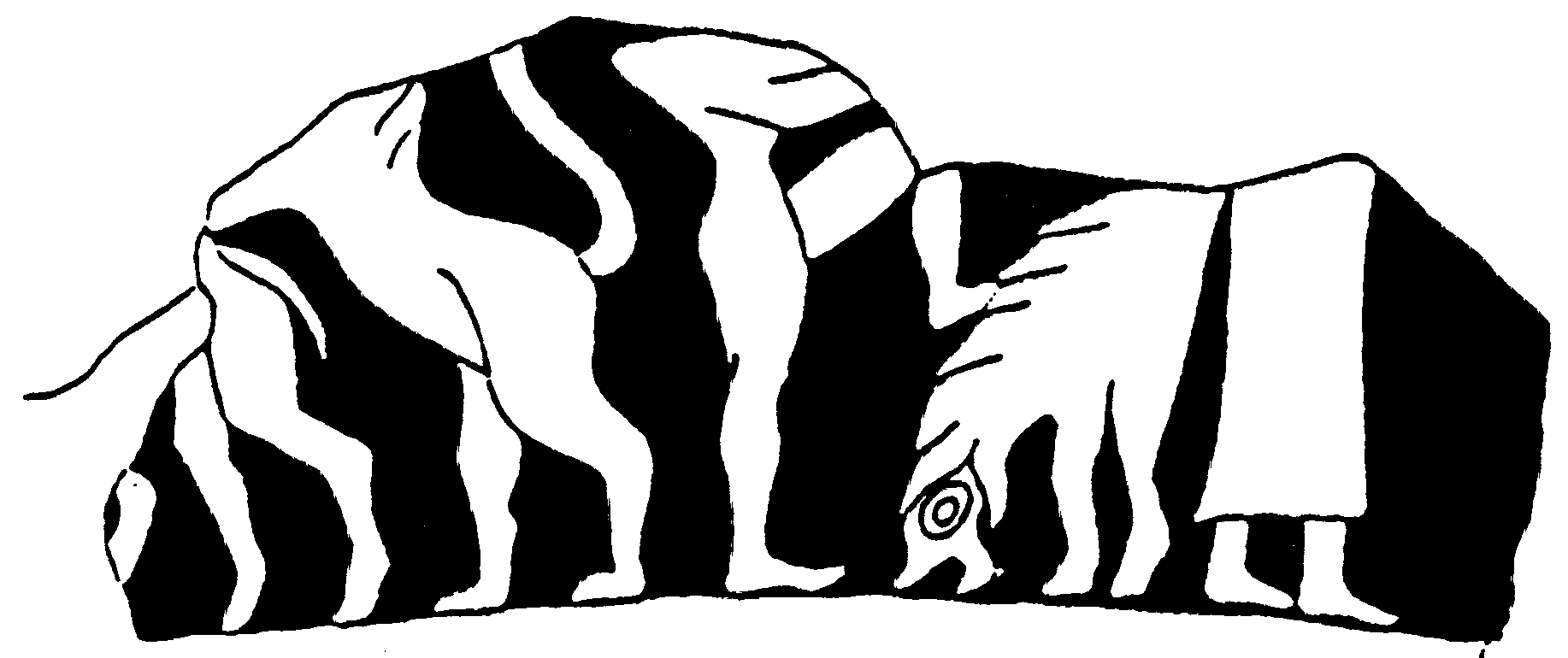
In A5.135, an animal combat scene, the manes of what are presumably two lions are rendered using the same diagonal incision pattern characteristic of garment fringes. This treatment enhances the naturalism of the animals and is further emphasized by the interaction with a naked human figure, whose foot rests upon one of the manes.
A comparable treatment is found in A5q845.2, where large animals are fighting: one lion’s mane extends across the head and back, with additional patterning in the ruff that projects beyond the neck. This suggests that the stylistic vocabulary of the Deep Fringe Style is not limited to textiles but extends to other textured surfaces.
|
| 
A5.135
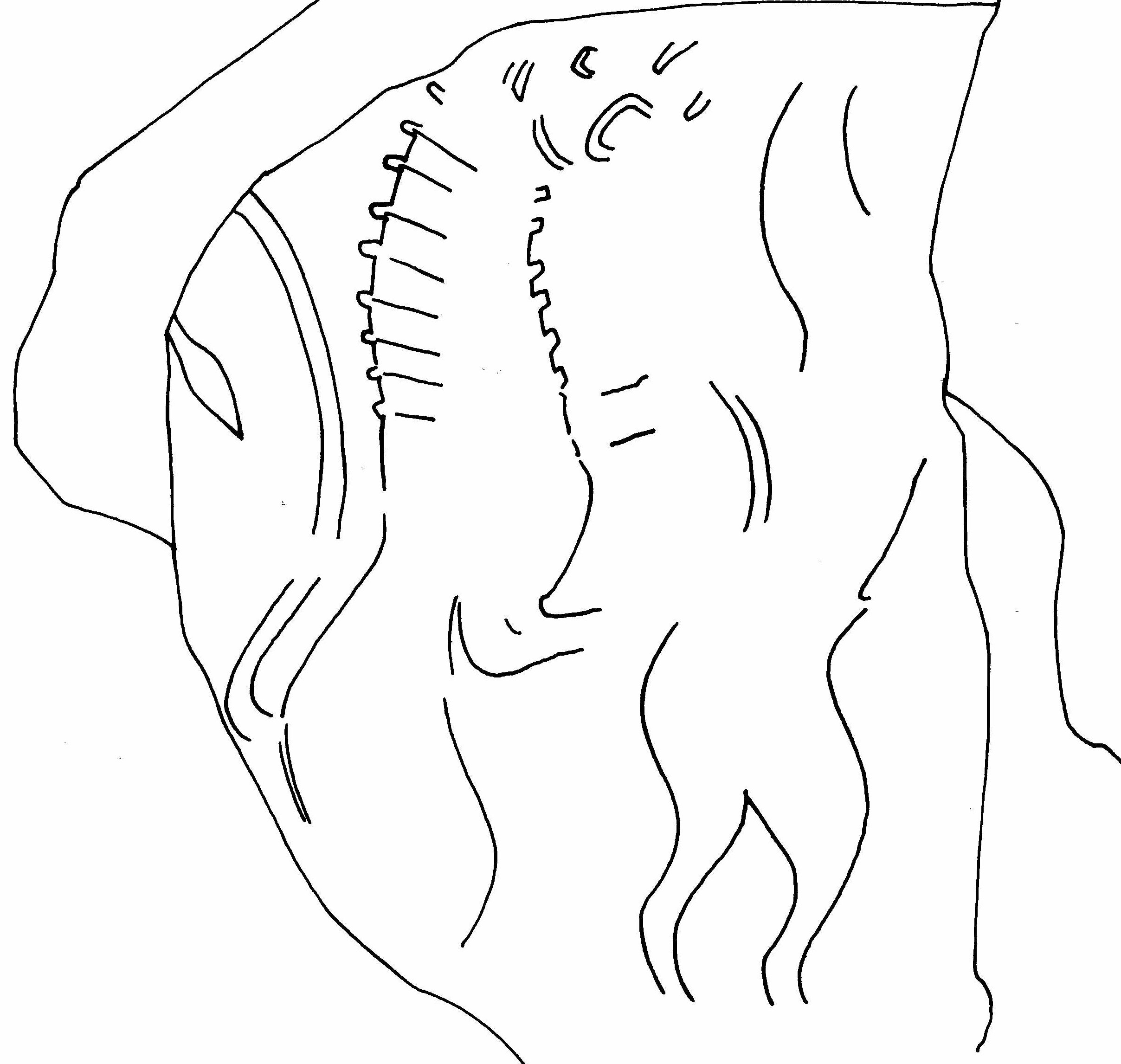
A5q845.2
|
Back to top: The deep fringe style
Royal iconography
Back to top: The deep fringe style
The queen’s seals
The Deep Fringe Style is also effectively employed in royal glyptic imagery. Notably, it appears in two of the queen’s lyre scenes (TGL^qu4 and TGL^qu6). These compositions display the hallmarks of the style: elongation of tye most important arm; accentuated facial features, feet and ankles; carefully rendered fringe patterns; a measured distribution of figures across the seal surface.
In these scenes, the carving of fringe is particularly diagnostic. For instance, in TGL^qu4 the garments of the singer (seated) and of the two attendants feature a central band of short diagonal incisions, creating a highly visible and rhythmic pattern. The queen’s garment similarly displays deeply incised pleating, reinforcing the stylistic coherence of the composition.
|
|
 TGL^qu2
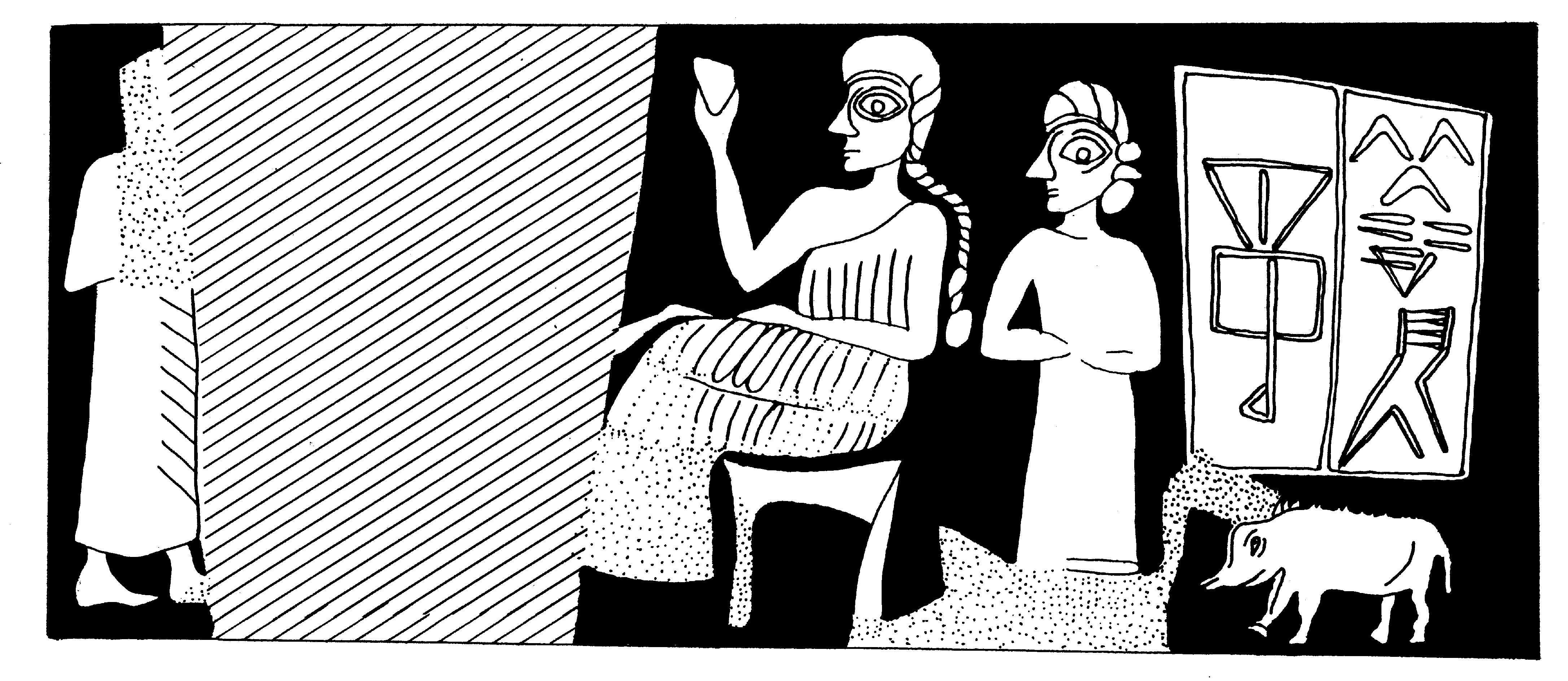 TGL^qu3
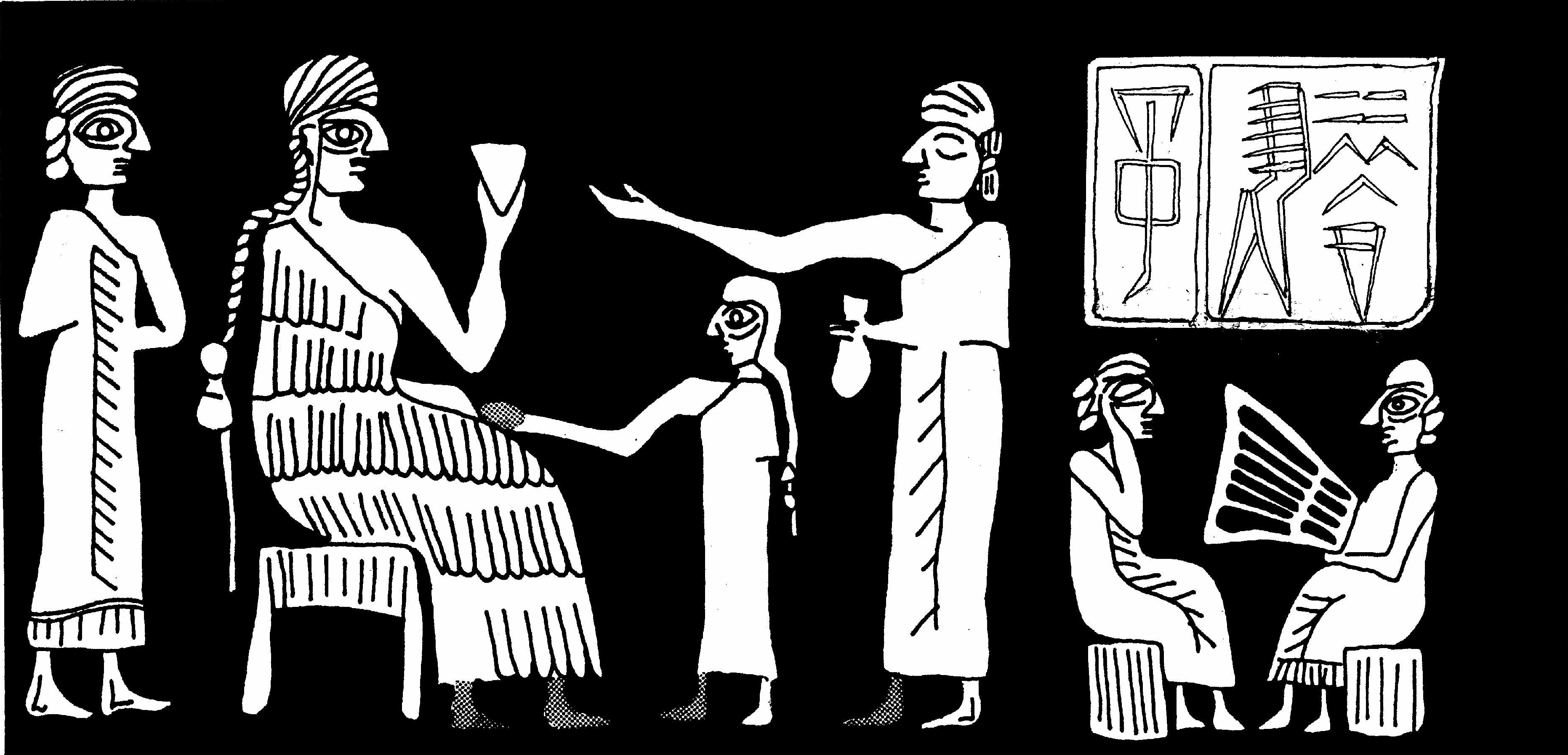
TGL^qu4
|
Back to top: The deep fringe style
The king’s seals
One of the king’s seals (TGL^kt2) provides an important example of stylistic and compositional integration. The fringe of the crown prince’s garment and the lion’s ruff are deeply carved, while the prince’s eye remains large, recalling features of the Dotted Eye Style. The standing figure has a face and head carved in a more natural manner so that there is a natural proportion between the eye, nose and lips.
The compositional arrangement – specifically the placement of a smaller figure (the crown prince) before the king – creates a spatial emphasis on the upper body of the king. The arm and hand of the prince are exaggerated here as they touch the lap of the king. The hierarchical scaling is thus reinforced by gesture. The motif of lap-touching functions as a sign of homage, paralleled by the elongation of arms and hands directed toward the royal figure.
|
| 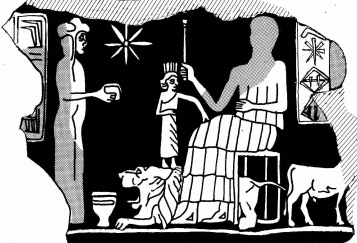
TGL^kt2
|
This gesture is also attested in the queen’s lyre scenes (TGL^qu4 above), where the extended arm of a smaller figure (likely a daughter) touches the queen’s lap. A similar configuration appears in the seal of Zamena (TGL^cu2),
where the gesture may indicate homage to both the queen and the child.
Differences in status are further articulated through scale and detail: the crown prince is taller and more elaborately dressed than the princess, whose garment lacks fringe but whose hairstyle imitates that of the queen. The prince’s crown is also distinct from that of the king, indicating differentiated roles within the royal hierarchy.
|
| 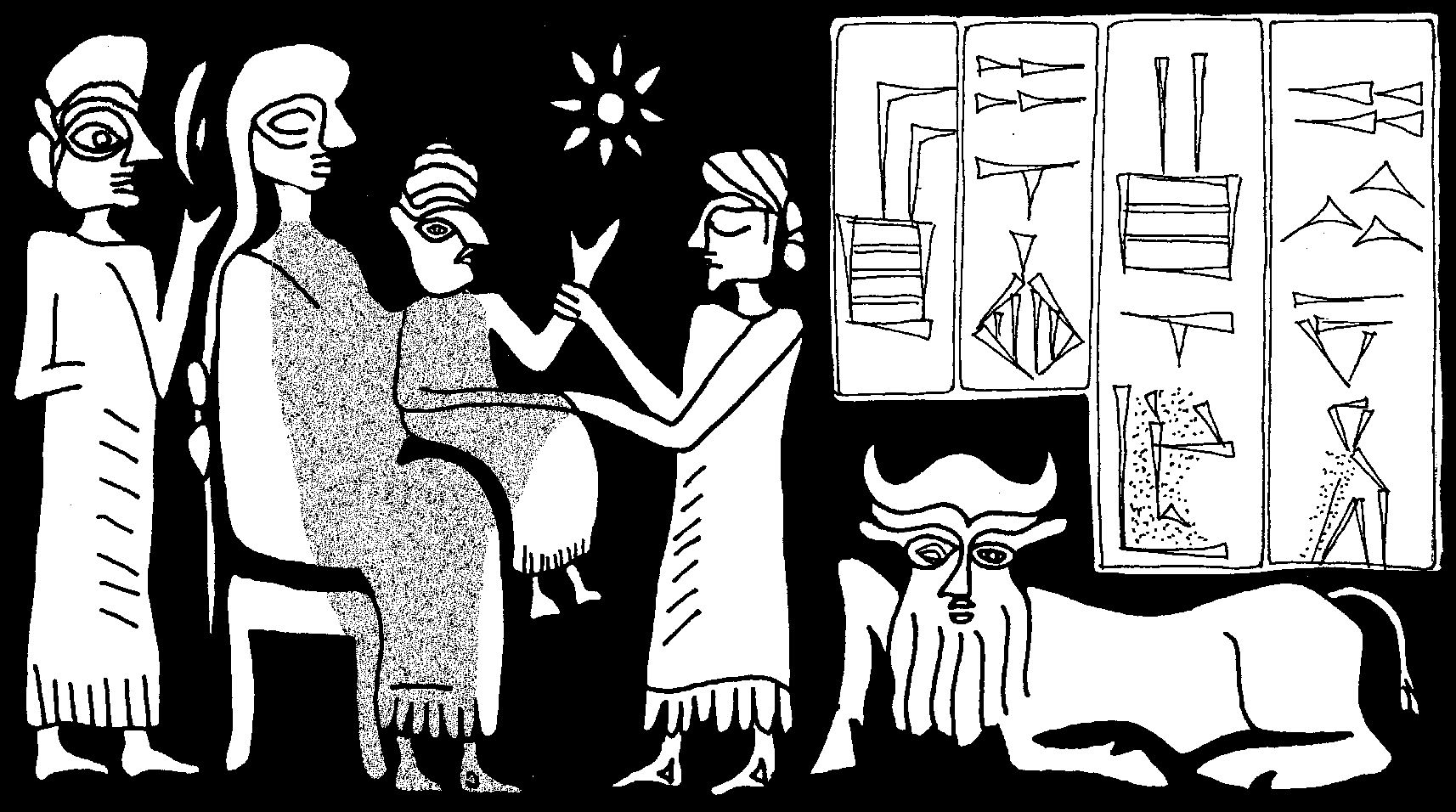
TGL^cu2
|
Back to top: The deep fringe style
Symbolic elements
copnsider moving this to pointed egde
Celestial symbols, notably the eight-pointed star and crescent moon, are prominently displayed.
The eight pointed star is depicted also in the seal of the king (TGL^kt2) as well as a queen's seal TGL^qu2) and one of her servant Zamena's two seals (TGL^cu2). This star is often connected in Mesopotamia with the goddess Ishtar; in the occurrences just noted, it appears in connection with the crown prince.
|
| 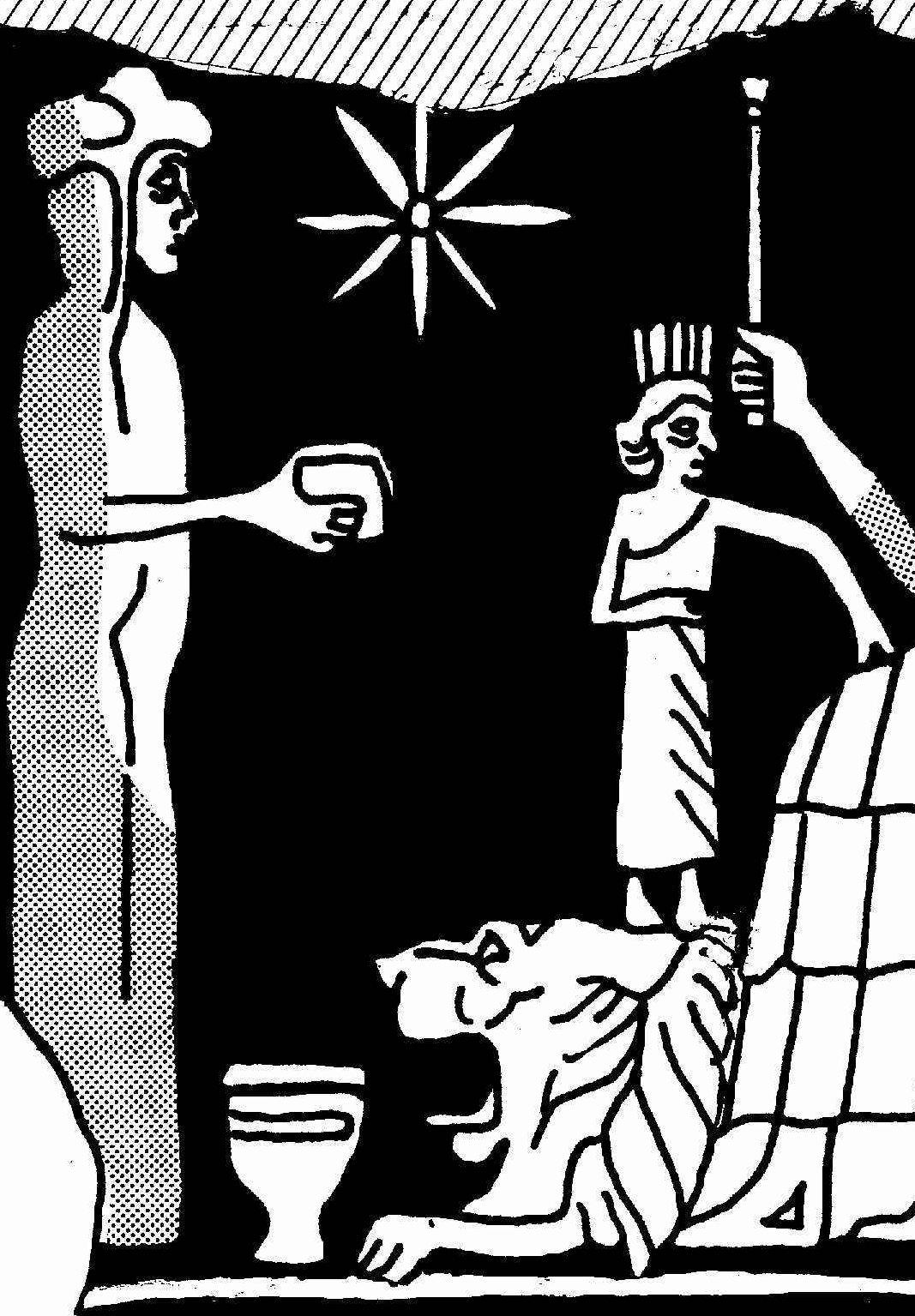
TGL^kt2
|
| 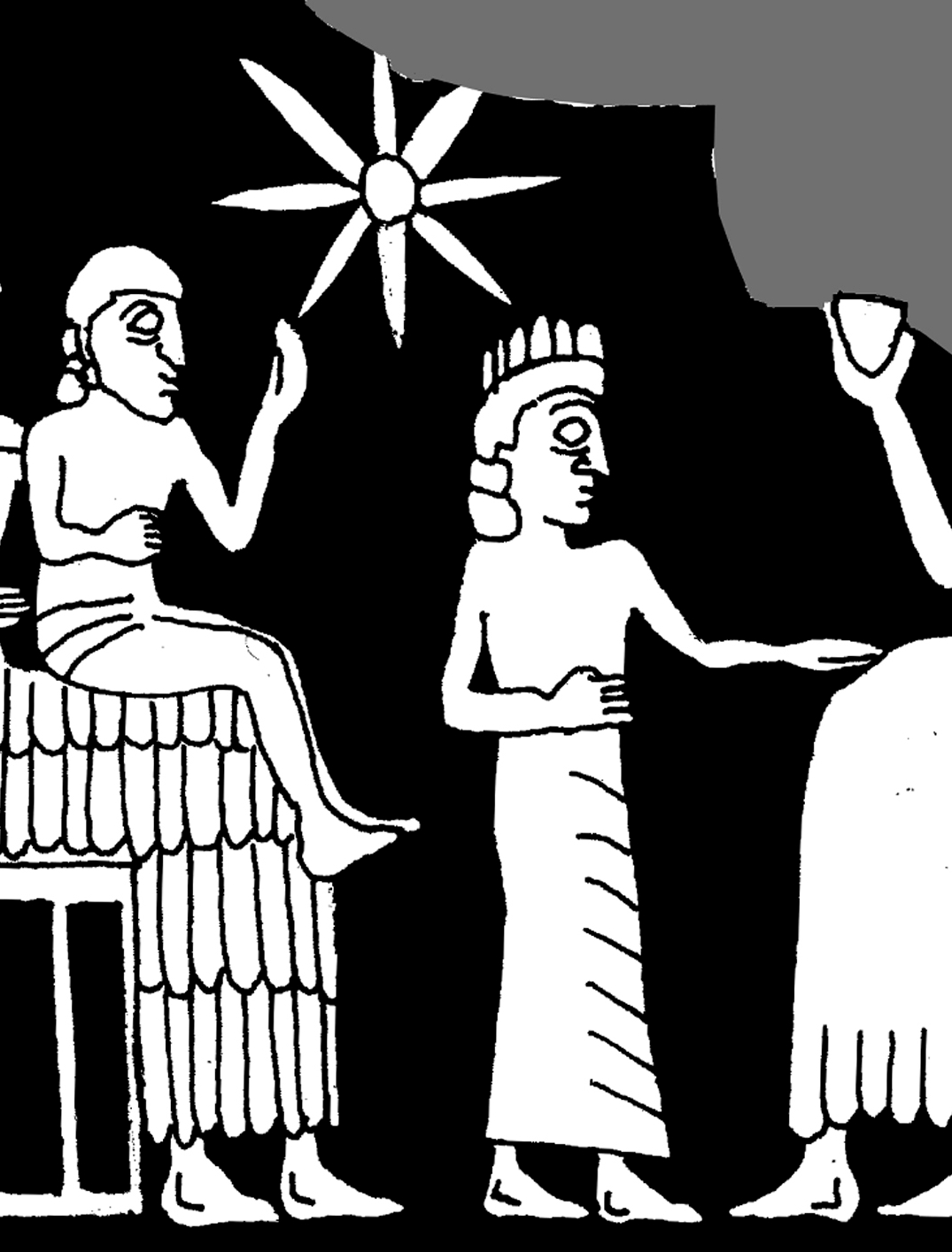
TGL^qu2
|
| 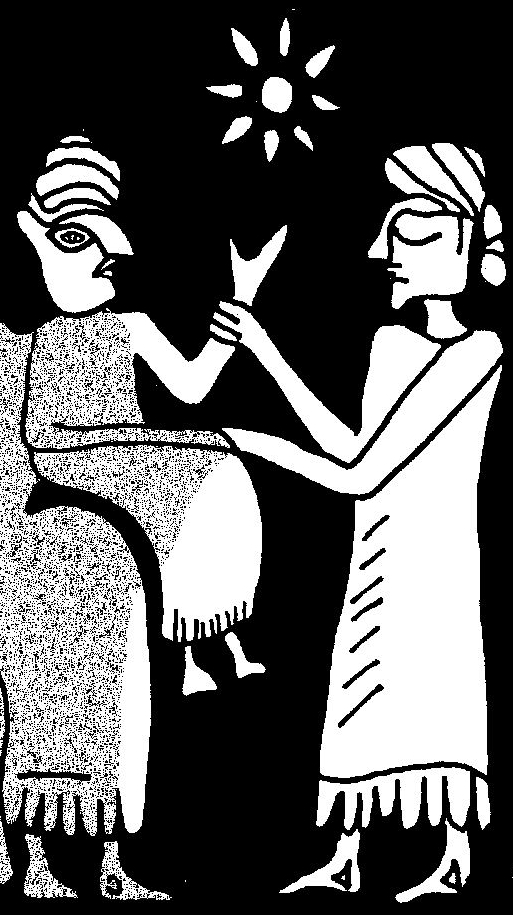
TGL^cu2
|